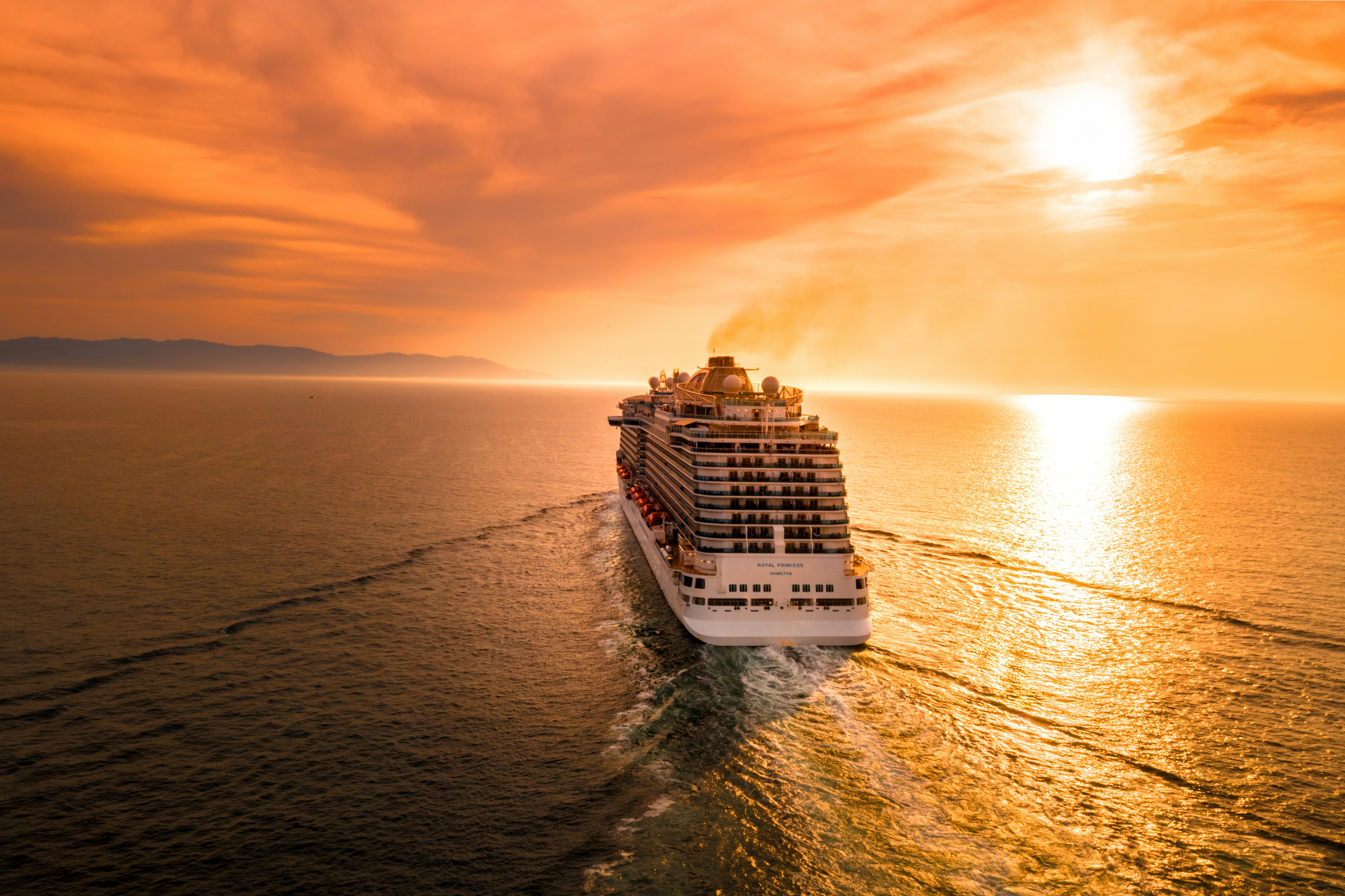
Your First Cruise: Everything You Need to Know
Cruising is one of those things people either love or think they'd hate. If you're in the second camp, there's a good chance you're picturing the wrong kind of cruise. The industry has changed enormously over the past decade — and the range of experiences on offer now is genuinely staggering. From ultra-luxury expedition ships in the Arctic to family-friendly floating cities in the Caribbean, there's a cruise for almost everyone. The trick is finding the right one.
Choosing the Right Cruise Line
This is the single most important decision and the one most first-timers get wrong. Cruise lines have distinct personalities, and picking one that doesn't match yours is a recipe for disappointment.
If you want relaxed luxury with outstanding food and an adult atmosphere, look at Celebrity Cruises, Oceania, or Silversea. If you're travelling with children and want non-stop entertainment, Royal Caribbean and MSC deliver on a massive scale. If you want something more intimate and expedition-focused, Hurtigruten, Ponant, or Scenic are worth exploring.
We'd always recommend talking through what you actually want from the experience before you start comparing ships and itineraries. The cruise line sets the tone for everything else.
Picking a Cabin
Cabins broadly fall into four categories: inside (no window), ocean view (window), balcony, and suite. For a first cruise, we'd strongly suggest a balcony as the minimum if your budget allows it. Having your own outdoor space to watch the sunrise, enjoy a room-service breakfast, or simply sit with a glass of wine in the evening transforms the experience.
Location matters too. Midship cabins on lower decks experience less motion — important if you're worried about seasickness. Higher decks offer better views but more sway. And cabins near lifts, pools, or nightclubs can be noisy.
The best cabin isn't always the most expensive one — it's the one in the right location for how you want to spend your time.
What's Included (and What Isn't)
This varies enormously by cruise line and is where first-timers often get caught out. Most cruise fares include your cabin, main restaurant dining, buffet, entertainment, kids clubs, pools, and gym. What's usually extra: speciality restaurants, premium drinks, spa treatments, shore excursions, Wi-Fi, and gratuities.
Some lines — particularly luxury ones like Silversea, Regent, and Virgin Voyages — include much more in the fare. The sticker price looks higher but the total cost can actually work out similar or even cheaper than a mainstream cruise once you add up all the extras.
Seasickness — The Honest Truth
Modern cruise ships are equipped with stabilisers that make a remarkable difference. On most Caribbean and Mediterranean itineraries, you'll barely feel the movement. Atlantic crossings and expedition cruises in places like Norway or Antarctica can be rougher — but even then, medication and acupressure bands work well for most people.
If you're genuinely worried, choose a larger ship (they move less) and an itinerary with shorter sea days and more port stops.
Our Advice for First-Timers
Start with a 7-night itinerary — long enough to settle in and enjoy it, short enough that you haven't over-committed if it turns out not to be your thing (though we'd bet it will be). Choose somewhere warm with interesting ports. The Mediterranean and Caribbean are both excellent first-cruise destinations.
And most importantly — don't try to plan it alone. The sheer number of options is overwhelming, and the pricing is complex. That's exactly what we're here for. Tell us what you're after and we'll narrow it down to the handful of options that genuinely make sense for you.
Inspired? Let's Plan Your Trip
Tell us where you want to go and we'll handle the rest. Send Us an Enquiry